Poetry Is... / Is Poems
Learning to expand “as/like” thinking into images
Part One: Poetry Is...
After the Lets Get Physical activity has established the basic concept of the poem, and we have spent a few moments hitting the highlights of the Inside Out and Outside In theory, I will have my students practice the theory on these three first poems about poetry. I always introduce the poems with an apology. Poetry, all writing for that matter, is as much about exploring ideas and feelings as it is about expressing ideas and feelings. We poets write, often, to help us figure out what we think and how we feel. We write about the things that matter to us, the ideas that are important to us, the events of our lives about which we have strong feelings. It is not surprising then that all poets write about writing poetry, and about the nature of poetry itself. It matters to us. Unfortunately, it doesn’t seem to matter much to anyone else but other poets. Therefore I try to limit myself to no more than 4 or 5 poems about poetry a year. These three poems are of a particular type, and between them, they say much of what is said in the Inside Out and Outside In theory handouts. We read them to give students a first chance to practice the theory, to reinforce the theory (and maybe communicate it effectively for the first time to some), and to introduce the concept of the Is Poem. I will then use the Is Poem to teach a lesson on as/like thinking (simile and metaphor) and how the poet extends simile and metaphor into an image. That process, as/like thinking extended into image, is right at the root of much poetic thinking and expression, and follows naturally from the concept of using real objects and events to express abstract concepts—using a solid outside to express a rich inside.
Three about poetry
(or another way of saying at least some of what you need to know about poetry)A poem is a hand grenade
disguised as an Easter egg.
Handle it with care.
Eat it,
only those who dare!What kind of egg?
a poem is...
- a simple pastel dye job with a pattern no more complex than an accidental fingerprint
- the confectioner’s frosted and flowered spun sugar fantasy, the infamous Cadbury egg,
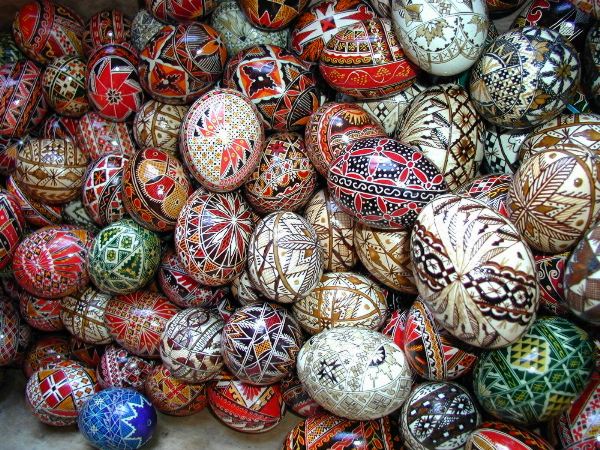
- one of those whorl on whorl, world within world, intricate eggs from the Ukraine
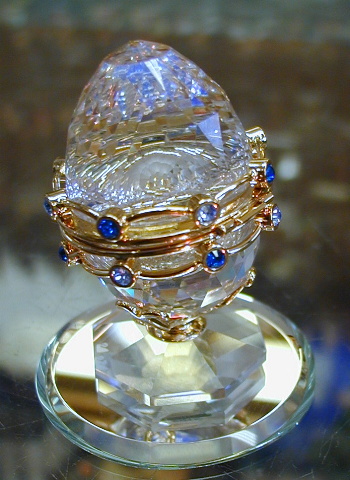
- a universe crafted in crystal and light by Swarovski or Fabregé...
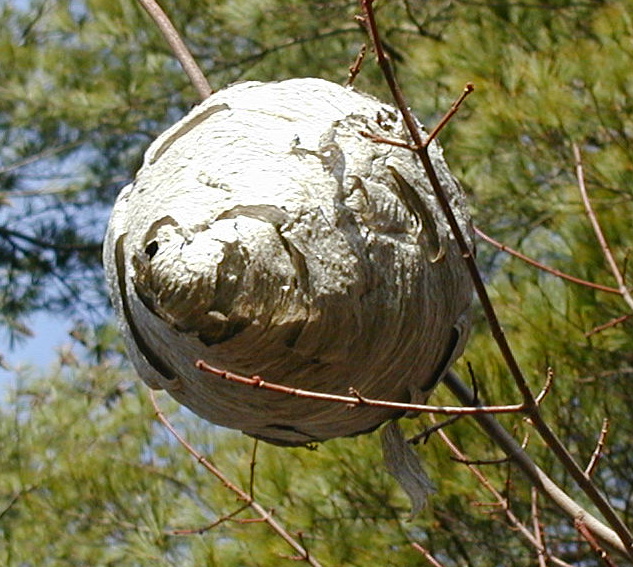
...A poem is a hornet’s nest.
You stir it with your stick;
I’ll stir it with mine.Go ahead,
tap it, touch it, hear it hum,
and walk, prosaically, away.
I’ll whack it a good one
and get ready to run...to run wild, pursued, breath-born,
across fields of strange flowers,
to places I’ve never been
and wouldn’t get to
if not so stung.
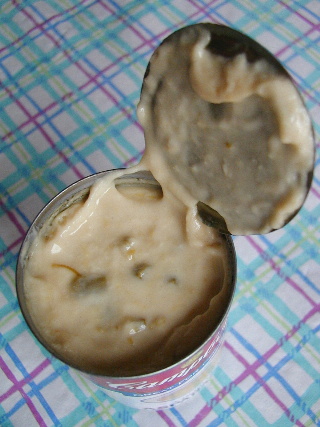
...A poem is the canned breath of the poet,
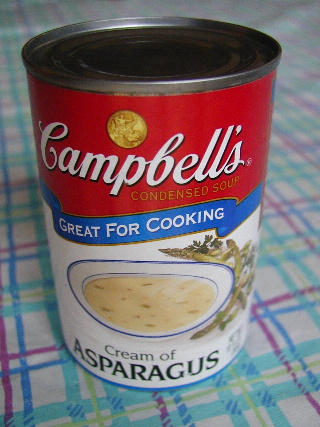
condensed, Campbell’s cream of asparagus soup.Just add water, heat, and serve.
What water? What flame?
Ah...
it’s good!Isn’t it?
I have, generally, to lead them through the connections between the physical eggs and the types of poems they represent. Use your imagination here. Students might be able to come up with example poems they already know for each type. I might read them a William Carlos Williams or Gary Snyder poem for the “pastel dye job” or I might use a nursery rhyme as an example (actually, the poem itself is a good example). The Cadbury Egg is obviously “Hallmark” / greeting card verse. I have some photos of Ukrainian eggs (Photo) (Photo) for those who haven't seem them, and the association would be to someone like Gerald Manly Hopkins or e.e. cummings (or even a Shakespearean sonnet). The particular image of a Swarovski/Faberge style egg that I have in my mind comes form a magazine ad I saw some years ago (it was in a “Vogue” so I probably saw it at the doctor’s office). It was a crystal egg, cut and faceted to throw the light around, hanging from a solid silver tree: very pricey, very elegant. I wish I could find that photo. Recently I found a Swarovski egg at a local shop. It was $90, but they let me take a photo of it.(Swarovski Egg) Anyway, some of them will recognize the Swarovski name as "fine crystal" and the Faberge name as somehow associated with expensive, elegant, jewelry, and that’s probably close enough. I am not sure the poem has been written yet to match this image. Certainly it would have to be something so simple, so striking, so transparent, so luminous, so marvelous that it took your breath away. A poem is...
Then we move on to the next poem. Again I read it twice. On the second time through I will have the students read along with me, choral style, so it twists their tongues and shapes their faces (see “Tongue Twisting, Face Shaping Poetry). There is a story about this one. It was written in response to all those (generally female) students who have said, over the years, “but, Mr. Ingraham, why do we have to take the poems all apart? Why can’t we just read them and enjoy them?” Students (especially rural students) should be able identify with the image, and I lead them through it. “How does a hornet’s nest look? Can you see it? Where do you see this one hanging?” (The answers here will be various. I have a photo.) “What happens if you stir it with a stick? Any of you ever do that? Can you imagine it?” I have them note that I am setting up a contrast in the stick lines that has parallel expositions in the next two stanzas. There are two different ways to stir the nest, depending on what kind of risk-taker you are. We talk about the “hum.” Students will probably need to have “prosaically” explained, especially to get the pun. I emphasize the final lines and try to draw out the parallel between the explosive nature of the poem in the first part and the “stinging” in the second. I might then have them summarize what the two poems say about poetry.
Finally, I read the last poem: twice, the second time chorally. This poem is a classic example of “what you don’t say in a poem is as important as what you do say” or “making the reader do the work” (as in Digging Out the Poem). I take them through the actual physical image: “canned breath” what would that look like? “Condensed?” Why “breath?” Why “canned?” “Why do we can things?” “Can you see the soup? What does it look like?” (Photo) (Photo) The students may or may not recognize the Campbell’s soup tag, “just add water, heat, and serve...” but if they do, it sets up the “Ah, it’s good.” If not, then I generally sing the jingle in my best 1950’s voice. “Um um good. Um um good. Campbell’s soup is um um good.” “What water? What flame?” Make them think about it. Ask “What do you have to do to canned soup before you eat it? So, if the poem is soup, what do you have to add that corresponds to the water? What do you have to add that corresponds to the heat (flame)? Someone will get it. “Ah, it’s good.
Isn’t it?”
I remind them that we have just demonstrated the Inside Out and Outside In theory. I ask them if they think these poems were written from the inside out for from the outside in. I point out that we got to the inside—the thoughts, feelings, and insights—by concentrating on the outside—the physical objects and events described in the poems. If time allows I then go right on into the Is Poems lesson. If not, then I set it up briefly for next time.
The disclaimer: your milage may vary. That is to say, these are my poems about poetry and I can use them very effectively, because, of course, I know exactly (or at least approximately) what I was thinking when I wrote them. To be really effective, you would have to write some of your own. To use them as I do, they would have to be Is Poems as explained in the next section, but your own would likely work better for you than mine.
Extension: It is instructive (and can be fun) to challenge
the students to find other poems about poetry. In any decent anthology,
or even in most classroom Lit texts that include a fair selection of poetry,
you should be able to find several. This is a good project for the “go
getters” in your class.
Three more poems about poetry: 2 Is Poems and one more attempt to define.